


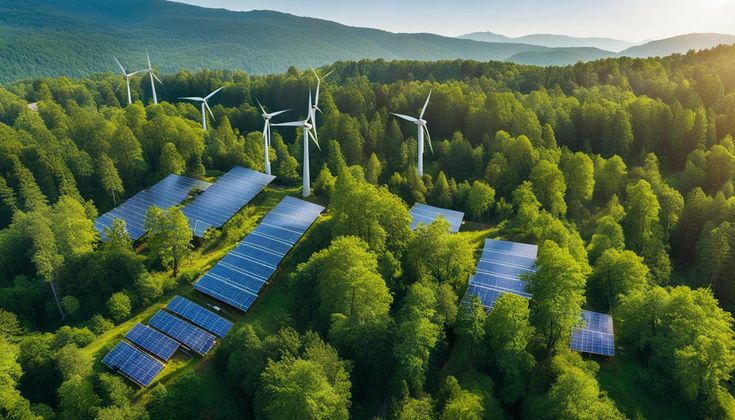
Clean Energy and Sustainability in the United States
Clean energy and sustainability are becoming national priorities in the United States. In 2026, the US is accelerating its transition to renewable energy to cut carbon emissions, strengthen energy independence, and support long-term economic growth.
Clean energy and sustainability focus on producing power from natural resources like sunlight, wind, and water while protecting public health and the environment. This transition is reshaping how America generates electricity, powers transportation, and builds resilient infrastructure.
What Is Clean Energy and Sustainability?
Clean energy refers to energy sources that generate little to no pollution. Sustainability ensures that energy systems meet today’s needs without harming future generations.
Key Elements of Clean Energy and Sustainability
-
Renewable energy sources
-
Lower greenhouse gas emissions
-
Energy efficiency improvements
-
Long-term environmental protection
-
Economic and social responsibility
Together, these elements support a stable and sustainable US energy future.
Current Clean Energy Landscape in the US
The United States has made strong progress in clean energy and sustainability over the past decade.
US Energy Mix Overview
-
Renewable energy provides over 20% of US electricity
-
Coal usage continues to decline nationwide
-
Natural gas supports the transition as a lower-emission fuel
-
Nuclear energy delivers reliable, carbon-free power
This evolving energy mix is helping America move toward a low-carbon economy.
Major Clean Energy Technologies in the United States
Solar Energy Growth in the US
Solar power is one of the fastest-growing clean energy sources in the United States.
Benefits of solar energy:
-
Lower electricity bills
-
Reduced carbon emissions
-
Scalable solutions for homes and businesses
Solar installations are expanding across multiple US states, making solar energy more affordable than ever.
Wind Energy Expansion
Wind energy plays a vital role in clean energy and sustainability efforts across the US.
Key advantages of wind energy:
-
Cost-effective renewable electricity
-
Job creation in rural communities
-
Reliable large-scale power generation
Both onshore and offshore wind projects continue to grow nationwide.
Electric Vehicles and Clean Transportation
Electric vehicles are transforming transportation in the United States.
Why electric vehicles matter:
-
Zero tailpipe emissions
-
Lower fuel and maintenance costs
-
Reduced reliance on fossil fuels
Federal and state incentives are accelerating EV adoption across America.
Energy Storage and Grid Stability
Energy storage is essential for supporting renewable energy growth.
Common energy storage solutions include:
-
Battery storage systems
-
Pumped hydro storage
-
Emerging green hydrogen technologies
Energy storage improves grid reliability and supports clean energy integration.
Government Policies Supporting Clean Energy
Government action is a key driver of clean energy and sustainability in the United States.
Federal Support
-
Renewable energy tax credits
-
Infrastructure investment programs
-
Support for clean manufacturing and innovation
State Leadership
-
Renewable energy targets
-
Electric vehicle mandates
-
Grid modernization initiatives
These policies help speed up clean energy adoption across the US.
Corporate Sustainability Initiatives
Many US companies are investing heavily in clean energy and sustainability.
Corporate sustainability actions include:
-
Switching to renewable electricity
-
Reducing supply chain emissions
-
Investing in green technologies
These efforts strengthen brand trust and support long-term business growth.
Economic Benefits of Clean Energy and Sustainability
Clean energy and sustainability create strong economic opportunities in the United States.
Key Economic Benefits
-
Millions of new clean energy jobs
-
Lower long-term energy costs
-
Increased energy independence
-
Innovation and private investment growth
The clean energy sector supports both local communities and the national economy.
Challenges in Clean Energy Adoption
Despite progress, clean energy adoption faces challenges.
Common Challenges
-
Grid integration issues
-
Supply chain limitations
-
Higher upfront costs
Effective Solutions
-
Expanded energy storage
-
Domestic manufacturing growth
-
Continued technology innovation
Addressing these challenges ensures long-term success.
Future of Clean Energy and Sustainability (2026 and Beyond)
The future of clean energy and sustainability in the United States looks strong.
Expected Trends
-
Cheaper renewable electricity
-
Faster electric vehicle adoption
-
Smarter and more resilient energy grids
-
Growth in green hydrogen technologies
Clean energy will become more accessible and affordable across the US.
How Businesses and Individuals Can Support Sustainability
For Businesses
-
Transition to renewable energy
-
Improve energy efficiency
-
Reduce operational emissions
For Individuals
-
Install solar panels
-
Use energy-efficient appliances
-
Choose electric vehicles
Small actions contribute to a cleaner future.
Conclusion
Clean energy and sustainability are essential to America’s future. The United States is building a cleaner, more resilient energy system that supports economic growth, environmental protection, and public health.
By investing in renewable energy, improving efficiency, and embracing sustainable practices, the US can create a greener and healthier future for generations to come.
In today’s digital world, every business needs a strong online presence to grow and compete successfully. A professional website plays a key role in building trust, visibility, and credibility online. If you are looking for a dedicated and professional website for your business, visit Webcane today.
👉 webcane.com
At Webcane, you can get your website designed, purchase domain and hosting, and launch your business online with confidence.
