


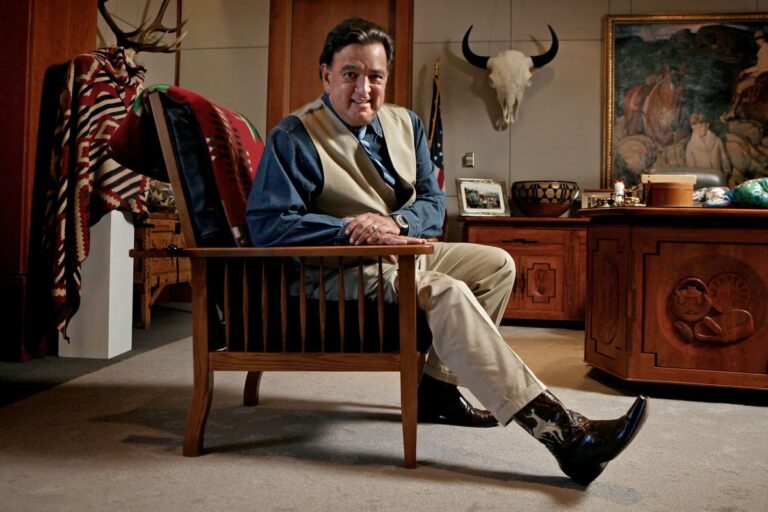
Bill Richardson Epstein: Examining the Controversy and Connections
The Bill Richardson Epstein controversy has resurfaced in media outlets, drawing attention to the former U.S. politician’s alleged ties with convicted financier Jeffrey Epstein. While Richardson’s political career spans decades and includes notable achievements, his reported interactions with Epstein have raised ethical questions and public scrutiny.
This article delves deep into Richardson’s career, the nature of his association with Epstein, media coverage, and the ethical debates surrounding these events.
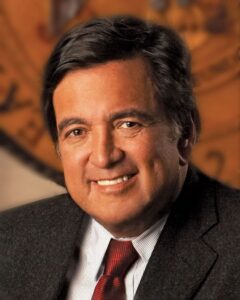 Early Life and Political Career of Bill Richardson
Born on November 15, 1947, in Pasadena, California, Bill Richardson grew up in a politically active household. He pursued a degree in international relations from Tufts University and later earned a law degree from the University of New Mexico.
Richardson’s political career began when he was elected to the U.S. House of Representatives in 1978, representing New Mexico. Over time, he built a reputation as a skilled diplomat and negotiator, serving as:
-
U.S. Ambassador to the United Nations (1997–1998)
-
U.S. Secretary of Energy under President Bill Clinton (1998–2001)
-
Governor of New Mexico (2003–2011)
During his governorship, Richardson focused on economic development, renewable energy initiatives, and international diplomacy. However, his alleged connection to Epstein has recently overshadowed these accomplishments.
 Understanding Jeffrey Epstein
To understand the controversy, it’s important to know who Jeffrey Epstein was. Epstein was a wealthy financier and convicted sex offender known for abusing minors and maintaining a network of influential contacts in politics, business, and entertainment. His arrest and death in 2019 brought global attention to the reach and impact of his connections.
The association of any public figure, including Richardson, with Epstein raises significant ethical and reputational concerns.
 Bill Richardson Epstein: The Alleged Connections
Reports indicate that Richardson visited Epstein’s properties on multiple occasions, including his New York residence. Richardson claims these meetings were primarily for political, charitable, or professional reasons. However, the timing and frequency of these interactions have generated public interest.
Timeline of Meetings
-
Early 2000s: Richardson reportedly met Epstein at social and diplomatic events.
-
2002–2008: Multiple documented visits to Epstein’s homes, allegedly for networking or charitable discussions.
-
2010s: After Epstein’s criminal activities came to light, these visits were scrutinized by the media and public.
Even if these interactions were innocent, media outlets have highlighted them due to Epstein’s criminal background.
 Media Coverage and Public Debate
The Bill Richardson Epstein story has been widely reported by newspapers, online media, and social platforms. Key points highlighted include:
-
Photographs showing Richardson entering Epstein’s residences.
-
Analysis of potential overlaps between Richardson’s charitable initiatives and Epstein’s philanthropy.
-
Public discussions on social media questioning the ethical implications of the visits.
Notable Media Reports
-
The New York Times: Covered Richardson’s visits to Epstein’s Manhattan townhouse, noting possible political and diplomatic contexts.
-
British tabloids: Reissued images suggesting Richardson arrived at Epstein’s property around the time of controversial events.
-
Investigative blogs and online platforms: Examined Richardson’s charitable and social interactions with Epstein.
This coverage has fueled public debate, even though Richardson has not faced legal charges.
 Legal and Ethical Implications
Although no criminal charges have been filed, Richardson’s association with Epstein raises several ethical questions:
-
Should politicians avoid any association with individuals who later commit serious crimes?
-
How much awareness or responsibility is expected from public figures in such situations?
-
What role does media play in reporting connections without implying guilt?
Public opinion remains divided. Supporters emphasize Richardson’s diplomatic and political achievements, while critics argue that even limited interactions with Epstein demand transparency and scrutiny.
Bill Richardson’s Career Legacy
Despite the Bill Richardson Epstein controversy, Richardson’s career achievements remain significant:
-
Negotiated international agreements as a U.S. diplomat.
-
Promoted renewable energy policies in New Mexico.
-
Served as a long-term congressman, ambassador, and governor.
However, his name being associated with Epstein demonstrates how reputational risk can arise from social or professional connections, regardless of intent.
Conclusion
The Bill Richardson Epstein controversy illustrates the challenges public figures face in maintaining ethical boundaries and public trust. Richardson denies involvement in Epstein’s criminal activities, but repeated media scrutiny highlights the importance of caution in associations with controversial individuals.
As investigations into Epstein’s network continue, Richardson’s story serves as a reminder of the delicate balance between political networking, ethical responsibility, and public perception.
In today’s digital world, every business needs a strong online presence to grow and compete successfully. A professional website plays a key role in building trust, visibility, and credibility online. If you are looking for a dedicated and professional website for your business, visit Webcane today.
👉 webcane.com
At Webcane, you can get your website designed, purchase domain and hosting, and launch your business online with confidence.
